
Abri de la Madeleine
Paleolithic rock shelter and archaeological site that serves as the type site for the Magdalenian period. It features prehistoric art and evidence of continuous habitation through the Middle Ages, including troglodytic dwellings and castle ruins. Read more…


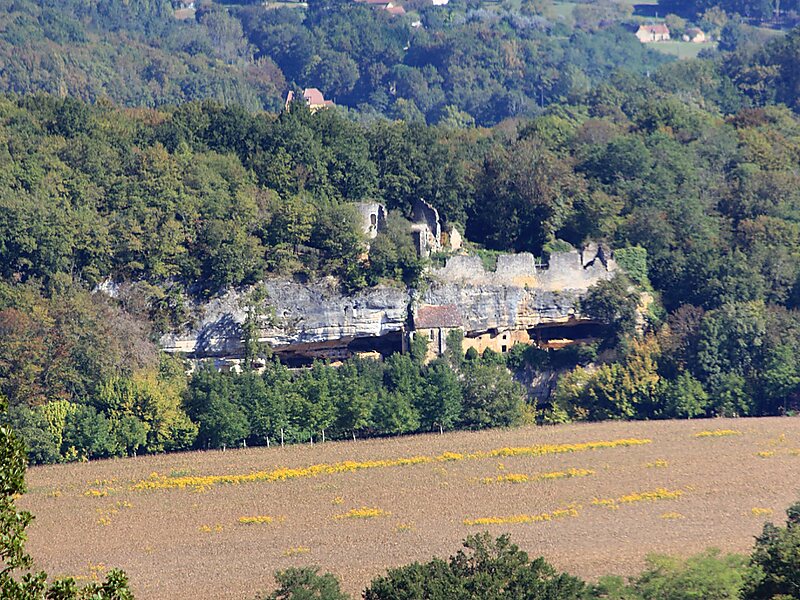

This UNESCO World Heritage Site is a significant rock shelter and prehistoric settlement that gave its name to the Magdalenian culture of the Upper Paleolithic. Inhabited by Cro-Magnon people, the site has yielded major archaeological finds, including a mammoth ivory carving and a 20,000-year-old bison carving.
The site shows evidence of continuous occupation from prehistoric times through to the early modern era. Medieval features include troglodytic dwellings carved directly into the cliffs, a rock-hewn church, and the ruins of a castle.
Designated as a Monument historique, the location is part of the Vézère Valley's protected prehistoric sites. It serves as a primary example of cliffside habitation and rock-hewn architecture.
More information and contact

Plan Your Perfect Trip
Create day-by-day itineraries, discover top attractions, and navigate with ease — on any device.
Or search for Tripomatic in the App Store or Google Play.