
Bisotun inscription
The Behistun Inscription is a multilingual Achaemenid royal inscription and large rock relief on a cliff at Mount Behistun in the… Read more…


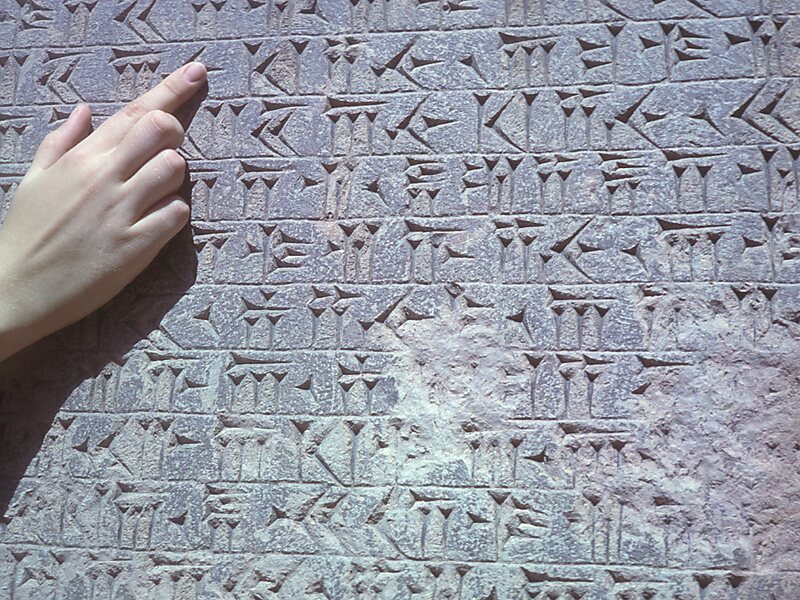

The Behistun Inscription is a multilingual Achaemenid royal inscription and large rock relief on a cliff at Mount Behistun in the Kermanshah Province of Iran, near the city of Kermanshah in western Iran, established by Darius the Great. It was important to the decipherment of cuneiform, as it is the longest known trilingual cuneiform inscription, written in Old Persian, Elamite, and Babylonian.
Authored by Darius the Great sometime between his coronation as king of the Persian Empire in the summer of 522 BC and his death in autumn of 486 BC, the inscription begins with a brief autobiography of Darius, including his ancestry and lineage. Later in the inscription, Darius provides a lengthy sequence of events following the death of Cambyses II in which he fought nineteen battles in a period of one year to put down multiple rebellions throughout the Persian Empire.
Source: Wikipedia
More information and contact

Plan Your Perfect Trip
Create day-by-day itineraries, discover top attractions, and navigate with ease — on any device.
Or search for Tripomatic in the App Store or Google Play.