
Hidden Gems in Rome
-
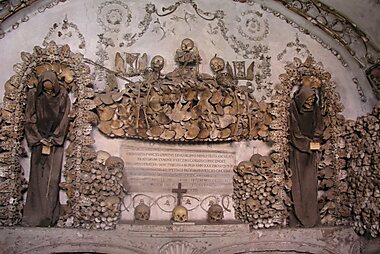
Capuchin Crypt Museum
Historic underground crypt and museum featuring artistic displays made from the skeletal remains of thousands of Capuchin friars. It provides insight into religious burial practices and Roman history through its unique ossuary decorations.
-
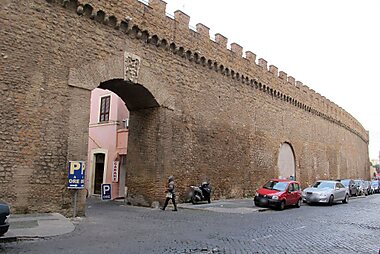
Passetto di Borgo
Elevated corridor linking Vatican City with Castel Sant'Angelo, historically used as a secret escape route for popes.
-
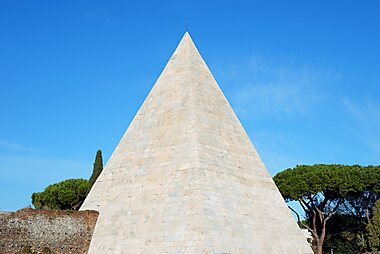
Pyramid of Cestius
Ancient Roman tomb built in the shape of a pyramid, inspired by Egyptian architecture and dating back to 12 BC. It features early Roman brickwork, frescoes, and marble decoration.
-
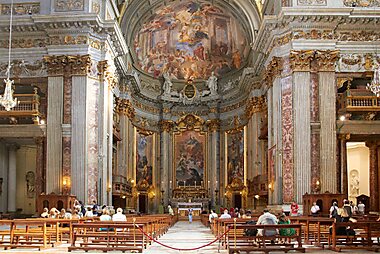
St Ignatius Church
Historic Baroque Catholic church known for its stunning frescoes and elaborate interior decoration. It is a hidden gem featuring remarkable religious art and Jesuit heritage.
-
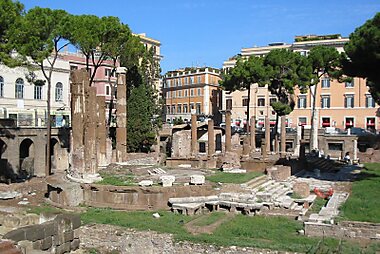
Argentina Square
Archaeological site featuring four ancient temples from the Roman Republic and Imperial periods with well-preserved ruins.
-
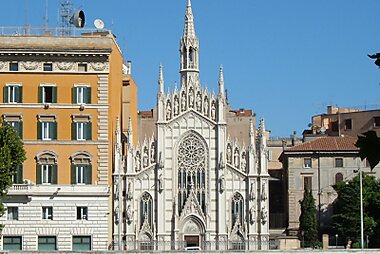
Museum of the Souls of Purgatory
This neogothic church, consecrated in 1921, may not be the oldest or the most breath-taking in Rome, however, it is certainly worth a visit.
-
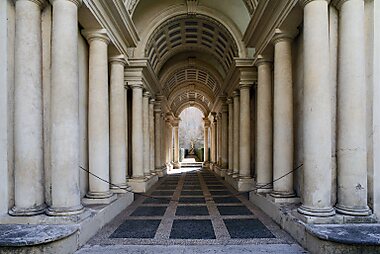
Spada Gallery
The Galleria Spada is a museum in Rome, which is housed in the Palazzo Spada on Piazza Capo di Ferro.
-
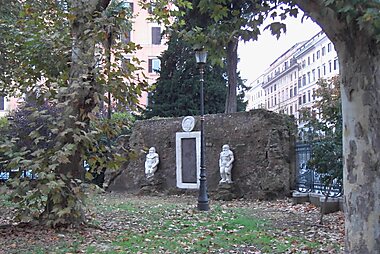
Porta Alchemica
The Alchemical Door, also known as the Alchemy Gate or Magic Portal, is a monument built between 1678 and 1680 by Massimiliano Palombara,…
-
-
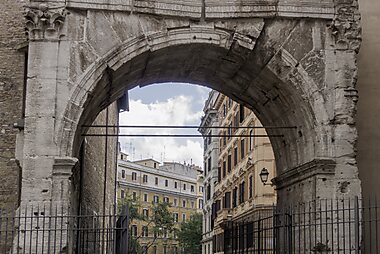
Arch of Gallienus
The Porta Esquilina was a gate in the Servian Wall, of which the Arch of Gallienus is extant today.
-
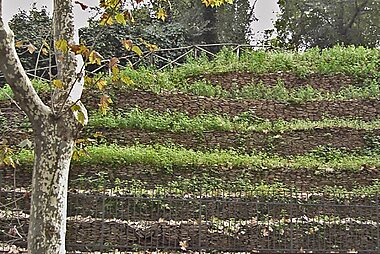
Monte Testaccio
Monte Testaccio or Monte Testaceo, also known as Monte dei Cocci, is an artificial mound in Rome composed almost entirely of testae,…
-
-
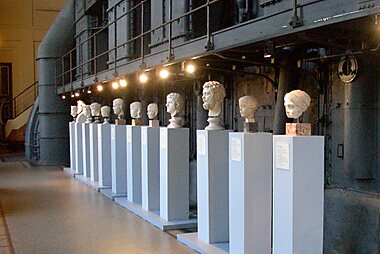
Centrale Montemartini
Tired of all the ancient palaces? Visit this museum of ancient art, set in the oldest power plant to be opened in Rome.
-
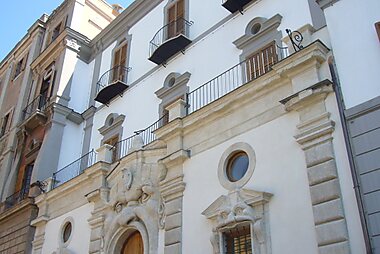
Zuccari Palace
Palazzo Zuccari, also called Palazzetto Zuccheri, is a 16th-century residence, located at the crossroads of via Sistina and via Gregoriana,…
-
Cloaca Maxima
The Cloaca Maxima was one of the world's earliest sewage systems. Its name derives from Cloacina, a Roman goddess.
-
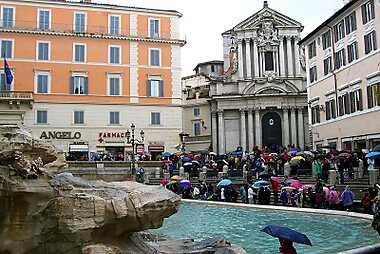
Santi Vincenzo e Anastasio a Trevi
Santi Vincenzo e Anastasio a Trevi is a Baroque church in Rome, the capital of Italy.


Plan Your Perfect Trip
Create day-by-day itineraries, discover top attractions, and navigate with ease — on any device.
Or search for Tripomatic in the App Store or Google Play.