
Paolo Orsi Archaeological Museum
One of Europe's largest archaeological museums, housing approximately 18,000 artifacts ranging from prehistoric fauna to the Roman era. The collections include significant numismatic items and findings from the Paleolithic to the Bronze Age. Read more…
Admission
Free first Sunday of month. Reduced for FAI members. Cumulative tickets available.


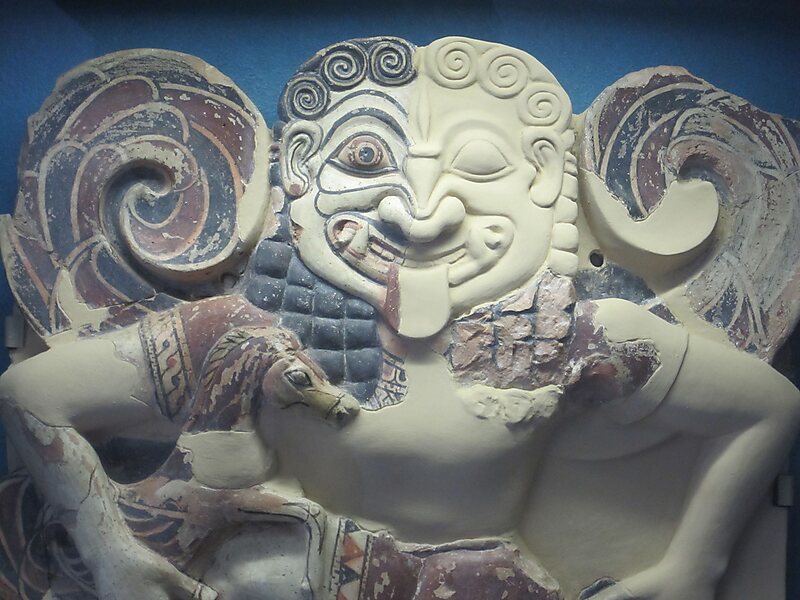

Originally established in 1876 and officially opened in 1878, the museum was significantly developed under the direction of the archaeologist Paolo Orsi. It is currently housed in a modern building designed by architect Franco Minissi within the grounds of Villa Landolina, a facility that opened in 1988. The exhibition space covers approximately 6,000 square meters, making it one of the most extensive archaeological institutions in Europe.
The collections are organized into chronological sectors, beginning with geological findings and prehistoric fauna. Artifacts span from the Paleolithic and Bronze Age, showcasing evidence of Aegean, Anatolian, and Mycenaean influences. A major portion of the museum is dedicated to the Greek colonies of Sicily, featuring statues, ceramics, and treasures recovered from regional necropolises.
Later periods are represented by Hellenistic and Roman marble sculptures, including the notable Venus Anadyomene (also known as the Venus Landolina). The museum also houses early Christian artifacts, such as the Sarcophagus of Adelphia, and an extensive numismatic collection. The research results displayed here date back to the late 1700s, primarily focusing on findings from the surrounding province.
More information and contact

Plan Your Perfect Trip
Create day-by-day itineraries, discover top attractions, and navigate with ease — on any device.
Or search for Tripomatic in the App Store or Google Play.