
Abu Simbel
Abu Simbel is a historic site comprising two massive rock-cut temples in the village of Abu Simbel, Aswan Governorate, Upper Egypt, near… Read more…


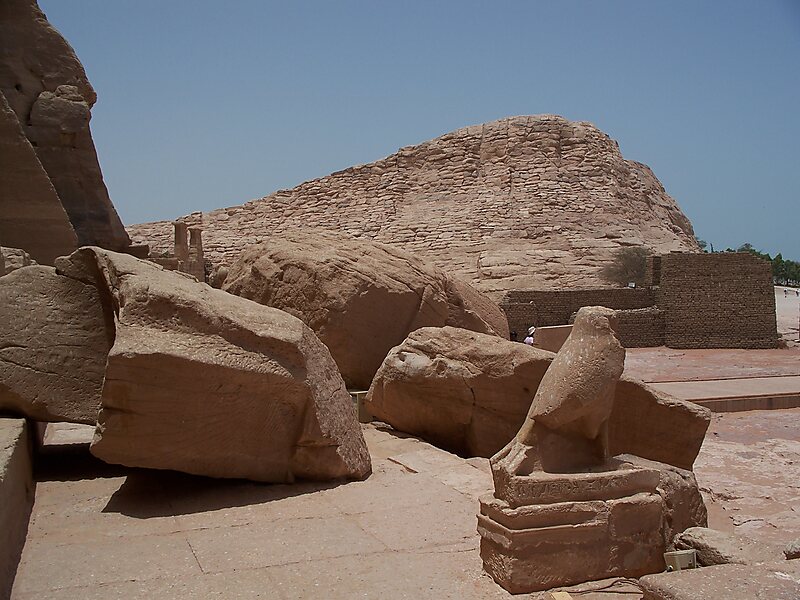

Abu Simbel is a historic site comprising two massive rock-cut temples in the village of Abu Simbel, Aswan Governorate, Upper Egypt, near the border with Sudan. It is situated on the western bank of Lake Nasser, about 230 km southwest of Aswan. The complex is part of the UNESCO World Heritage Site known as the "Nubian Monuments", which run from Abu Simbel downriver to Philae, and include Amada, Wadi es-Sebua, and other Nubian sites. The twin temples were originally carved out of the mountainside in the 13th century BC, during the 19th Dynasty reign of the Pharaoh Ramesses II. They serve as a lasting monument to the king Ramesses II. His wife Nefertari and children can be seen in smaller figures by his feet, considered to be of lesser importance and were not given the same position of scale. This commemorates his victory at the Battle of Kadesh. Their huge external rock relief figures have become iconic.
Source: Wikipedia
More information and contact

Plan Your Perfect Trip
Create day-by-day itineraries, discover top attractions, and navigate with ease — on any device.
Or search for Tripomatic in the App Store or Google Play.