
Koh-i-Sultan
Koh-i-Sultan is a volcano in Balochistan, Pakistan. It is part of the tectonic belt formed by the collision of India and Asia: specifically,… Read more…


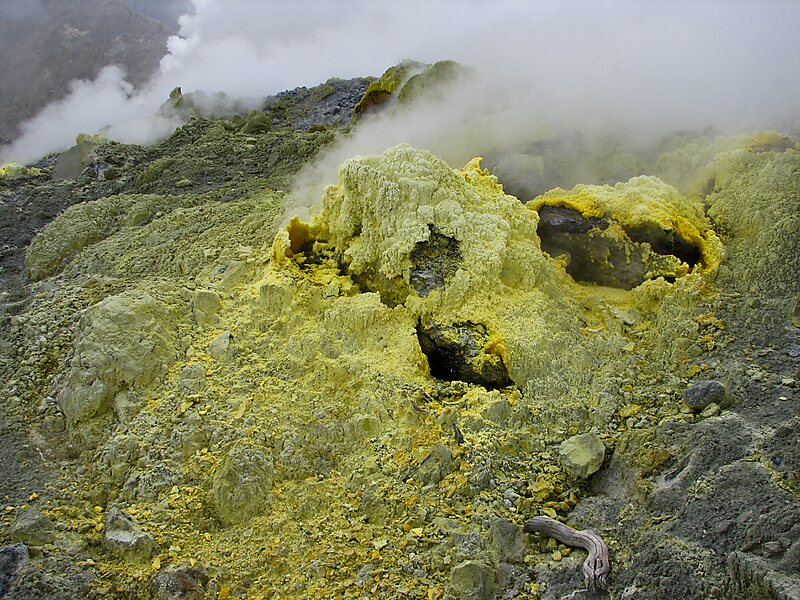

Koh-i-Sultan is a volcano in Balochistan, Pakistan. It is part of the tectonic belt formed by the collision of India and Asia: specifically, a segment influenced by the subduction of the Arabian plate beneath the Asian plate and forming a volcanic arc which includes the Bazman and Taftan volcanoes in Iran. The volcano consists of three main cones, with heavily eroded craters running west-northwest and surrounded by a number of subsidiary volcanic centres. Its summit is 2,334 metres high, and the crater associated with the Miri cone has a smaller crater inside.
The volcano is formed by andesite and dacite rocks, with fragmentary rocks prevailing over lava flows. The rocks have typical arc-volcano chemistry and composition, with a progression from andesite to dacite in the eruption products with younger age. Potassium-argon dating has indicated an age range from 5,900,000 to 90,000 years.
Source: Wikipedia
More information and contact

Plan Your Perfect Trip
Create day-by-day itineraries, discover top attractions, and navigate with ease — on any device.
Or search for Tripomatic in the App Store or Google Play.